Listening to customers to rebuild the suit as a system
A declining category rebuilt through field research. Still in the range, still growing, years later.

The category that built the brand was the one losing customers.
Suits were what people associated with Drykorn menswear. Own sales data and department-store analytics showed a sustained decline, in line with what competitors were seeing across Germany. Letting the category drift was not an option.
The stores knew things the numbers did not.
Before changing a single product, I spent two full days at the Berlin flagship with customers and sales advisors, and ran intercept conversations with potential customers in other shops across the city. The sales team and EU agents had been fielding signals for a while. B2B buyer conversations at exhibitions and input from the head of ecommerce completed the picture.
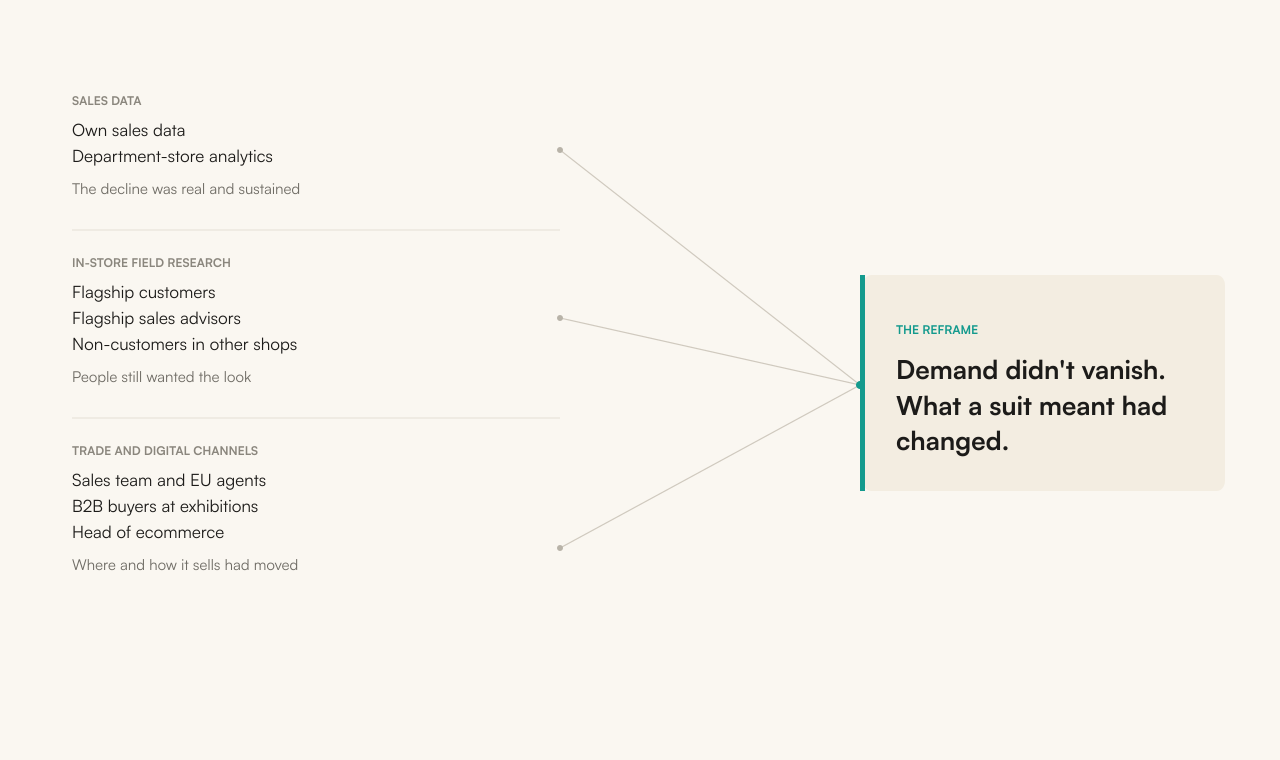
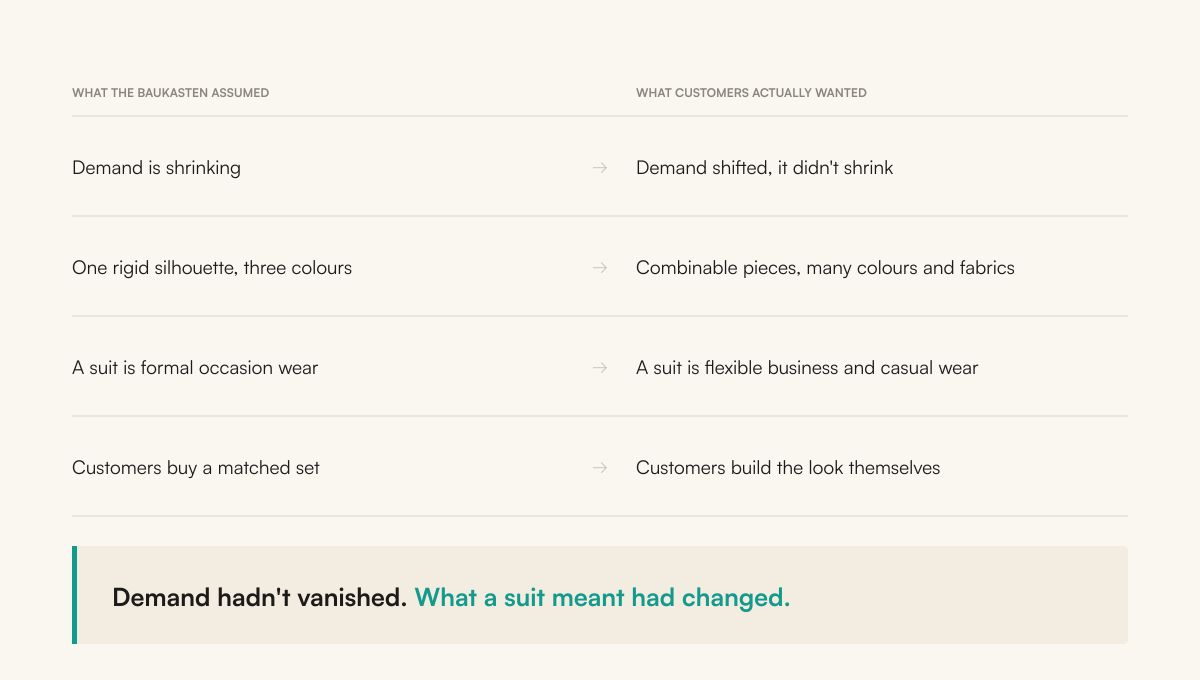
The problem was not demand. What a suit meant had changed.
The research contradicted the hypothesis that fewer people needed suits. Customers still wanted a business or occasion look, but work culture had shifted toward something more relaxed, and the existing Baukasten of stiff, skinny-cut suits in black, blue, and occasional grey had not moved with it. The product was answering a question people had stopped asking.
Two modular systems for a changed way of dressing.
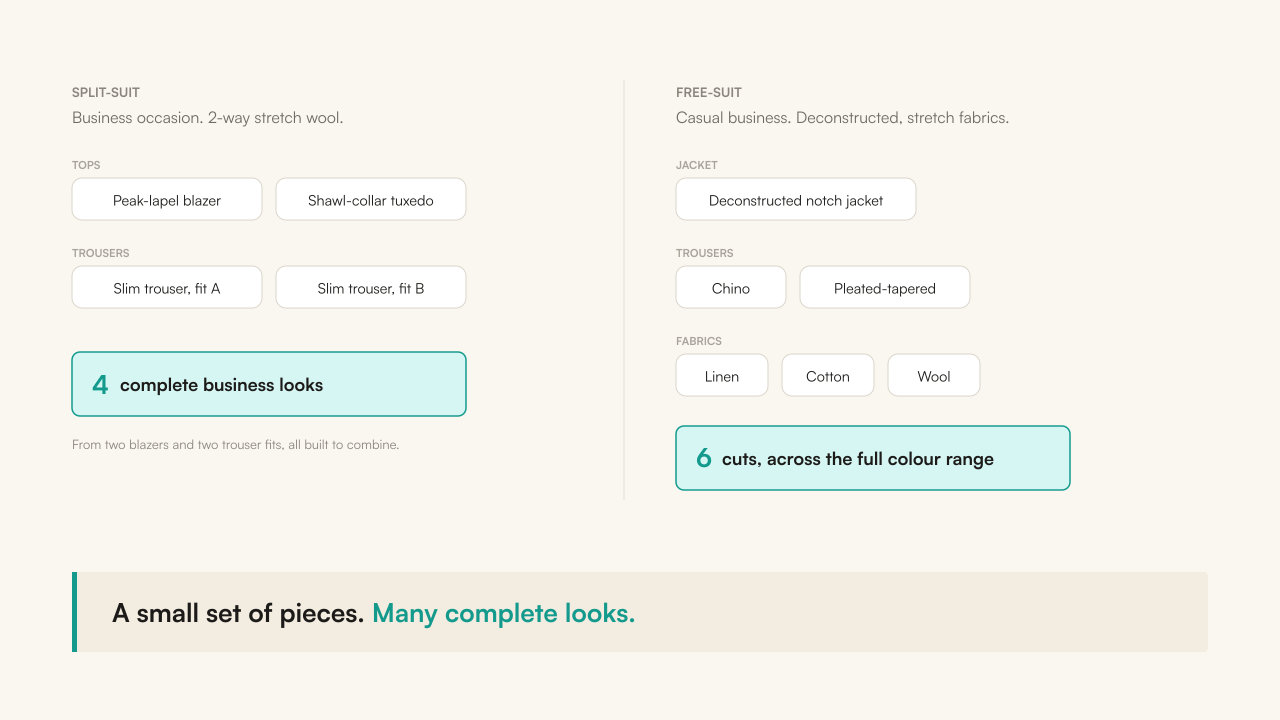
The answer was not one updated suit. It was two systems for two different needs. Split-Suit covered the business occasion: 2-way stretch wool with developed micro designs, a peak-lapel blazer and a shawl-collar tuxedo option, both built to combine with slim suit trousers on bestseller fits. Free-Suit covered the casual business look: a deconstructed make without horsehair or heavy padding, a notch lapel, stretch fabrics across linen, cotton, and wool, paired with chino and pleated-tapered trousers in the full collection colour range. I owned both systems end to end, from style design and fabric sourcing to fit handover, accessories, and branding.
Different factories. One suit.
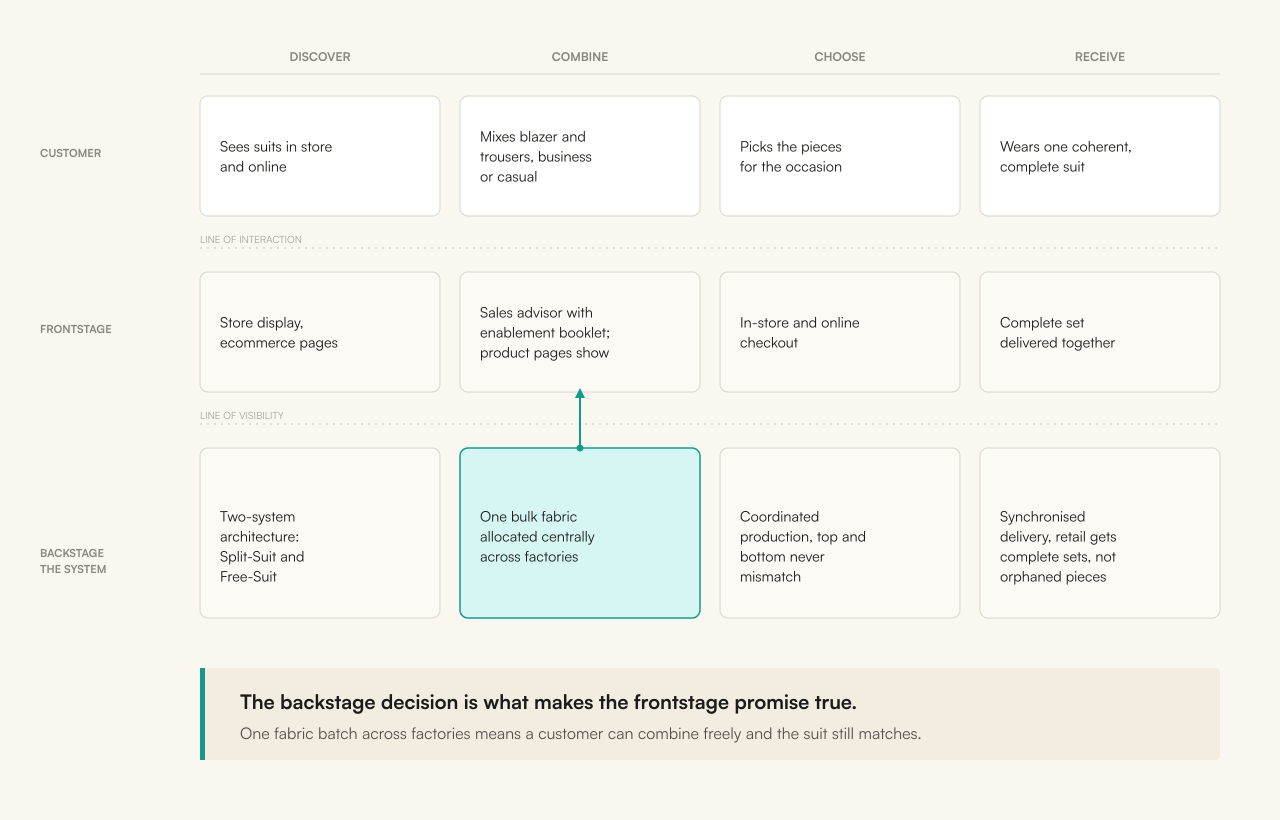
The hardest problem was not the garment, it was making the modular promise hold in production. Blazers and trousers made in separate factories risk visible mismatch in colour and texture. The fix was a single bulk fabric allocated centrally across factories, so top and bottom stayed identical, with delivery synchronised so retail received complete sets rather than orphaned pieces and could sell the suit as a unit.
Retail needed a language to sell something new.
A modular suit only works if the person selling it can explain it. I created booklets for the sales team and EU agents covering fits, combinations, and fabric and detail callouts, giving everyone the same vocabulary from the showroom to the shop floor.
Each season taught the next one.
Summer brought pleated shorts and all-over collection prints, extending Free-Suit into warmer months. Split-Suit grew into Drynamic: bi-stretch, water-repellent, breathable, giving the business system an athleisure character. Conversations with the head of ecommerce and department-store buyers shaped styles built for digital imagery and a younger audience, and every season fed back into the brief for the next.
Still running. Now core.
The system launched in FW2017 with a modest first-season uplift and grew from there while competitors pulled back from the category. It expanded from two systems into a broader modular family and moved from a seasonal test into the pre-collection as a permanent core line. The longevity is the evidence: a declining category, rebuilt on research, still in the range years later.
A product problem, solved as a service problem.
The garments were designed, but what made them succeed was the system around them: the research that found the real need, the supply logic that made the product trustworthy, and the sales enablement that gave retail the tools to sell it.